

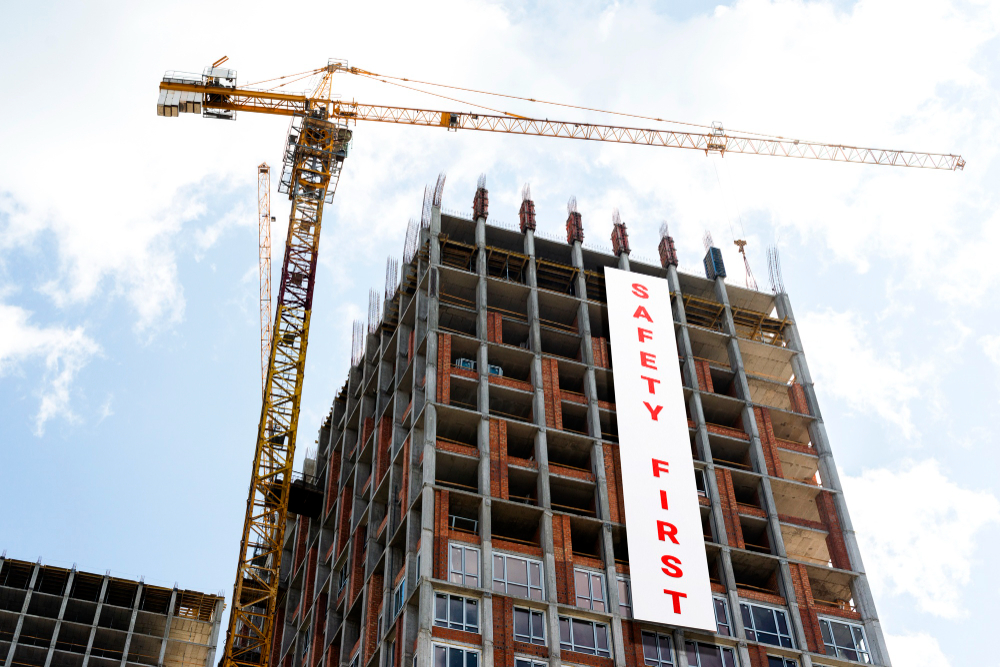
The Differences Between Permanent & Temporary Works
The distinction between permanent and temporary works is fundamental to project execution. While they are inextricably linked on site, they serve vastly different purposes and are governed by separate design and control requirements.
For project owners and developers, understanding this difference impacts everything from budget allocation and safety protocols to the long-term liability of the asset.
In this blog, we will explore what defines these two categories of construction works, how their regulatory frameworks differ in Australia, and why coordinated planning between both is necessary for safe and efficient project delivery.
What Are Permanent Works?
Permanent works are the structures and elements of a project designed to remain in place for the entire service life of the asset. In the context of civil engineering works, these are the final deliverables that the client occupies, operates, or utilizes.
Typically designed to last anywhere from 16 to 60 years (or significantly longer for major infrastructure), permanent works must withstand long-term environmental exposure and defined load conditions.
Examples of Permanent Works
- Structural elements: Foundations, load-bearing walls, concrete slabs, and steel frames.
- Civil infrastructure: Bridges, tunnels, retaining walls, roads, and drainage systems.
- Building systems: Roofing, cladding, and integrated utility infrastructure.
The design of permanent works is undertaken by qualified architects, civil engineers, and structural engineers.
What Are Temporary Works?
Temporary works are the engineered structures and site preparation measures required to enable the construction of the permanent asset. They are not part of the finished structure and are dismantled and removed once their function is fulfilled.
While they may be transient, temporary works are the backbone of construction safety. They provide the necessary support, and protection for workers and the public. In many complex projects, the engineering behind the temporary works is just as sophisticated and critical as the permanent design.
Common Examples of Temporary Works
- Access and protection: Scaffolding, site hoardings, and gantries.
- Structural support: Formwork for concrete, falsework for bridge spans, and propping systems.
- Groundworks: Shoring systems for excavations, trench support, and temporary access roads.
Failure in temporary works can have catastrophic consequences, including structural collapse, worker injury, and massive project delays.
Key Differences Between Permanent and Temporary Works
1. Purpose and Duration
The primary distinction lies in intent. Permanent works are designed for the end-user, focusing on long-term serviceability, aesthetics, and low maintenance. Temporary works are designed for the construction team, prioritizing speed of assembly, ease of removal, and immediate safety during the build phase.
2. Design Responsibility
Permanent works are typically designed by the principal consultants (architects and structural engineers) who retain liability for the asset’s long-term performance.
Temporary works are often the responsibility of the construction contractor or specialist temporary works engineers. This division requires robust communication. Early engagement between permanent and temporary works designers is vital to prevent clashes and ensure constructability.
3. Regulatory Frameworks
The two types of work fall under different legislative umbrellas in Australia:
- Permanent works align with building codes and property standards to ensure the asset is fit for purpose.
- Temporary works are heavily regulated under Work Health and Safety (WHS) laws, as their primary risk is to the construction workforce and the immediate public during the build.
Regulatory Framework for Permanent Works
In Australia, the design and construction of permanent works are governed principally by the National Construction Code (NCC). The NCC sets the minimum requirements for safety, health, amenity, and sustainability.
It adopts a performance-based approach, meaning structural works must meet specific performance requirements, usually achieved by complying with Australian Standards:
- NCC Volume One: Covers commercial and non-residential buildings, including most major infrastructure.
- NCC Volume Two & Three: Covers residential buildings and plumbing/drainage respectively.
Key Standards for Permanent Works
- AS 3600:2018 (Concrete Structures): Specifies minimum requirements for design, durability, and load calculations.
- AS 4100:2020 (Steel Structures): Governs limit state design, fabrication, and erection of steelworks to resist ultimate loads.
- AS/NZS 4600: Provides specifications for cold-formed steel structural members.
Regulatory Framework for Temporary Works
Because temporary works are high-risk environments, their regulation is centered on safety. The Work Health and Safety (WHS) Act and Regulations form the foundation.
The Role of the Temporary Works Coordinator
Under this framework, the appointment of a Temporary Works Coordinator (TWC) is a best practice often mandated on major sites. The TWC is responsible for:
- Ensuring a design brief is prepared.
- Verifying that the temporary design is checked by a competent engineer.
- Issuing Permits to Load and Permits to Dismantle.
Relevant Standards for Temporary Works
Designers must also adhere to specific codes to ensure stability during erection:
- Safe Design Code of Practice: Guidance on designing for safe construction, maintenance, and demolition.
- AS 1170 Series: Structural design actions (wind, soil, and live loads).
- AS/NZS 1576 & AS 4576: Standards specifically for scaffolding.
For a deeper dive into maintaining standards during the build, read our guide on How to Maintain Quality Control on Infrastructure Construction Sites.
How KPMC Supports Permanent and Temporary Works Delivery
The interface between permanent and temporary works is where projects often succeed or fail. If the permanent design doesn’t account for how the structure will be built, it leads to costly delays and complex temporary fixes.
Kubri Project Management & Consulting bridges this gap. Our team of globally experienced engineers leverages over 70 combined years of expertise to deliver world-class solutions.
Our Service Offerings
Whether it is constructability analysis, engineering review, or day-to-day operations, we bring international best practice to your project:
- Constructability Analysis: We review permanent designs to ensure they can be built efficiently, identifying savings in temporary works requirements early.
- Tendering & Estimating: Our team assists with detailed quantity surveying and scoping, helping you accurately forecast the cost of site establishment and temporary supports.
- Commercial & Contract Management: We handle procurement, forecasting, and variations management to keep your project on budget.
- Dispute Resolution: We provide forensic delay analysis and technical reviews. We have previously provided expert technical reviews during disputes between contractors and subcontractors, where our findings resolved potentially litigious situations.
Clear Definition, Better Project Outcomes
Successful projects require a holistic approach where permanent and temporary works are planned in unison. By partnering with Kubri, you gain access to a team that understands both the long-term structural requirements and the immediate construction methodologies needed to get there. We ensure your project is safe, compliant, and cost-effective from the first day of site preparation to the final handover.
Ready to optimize your project delivery?
Contact KPMC today for expert engineering and project management support.