

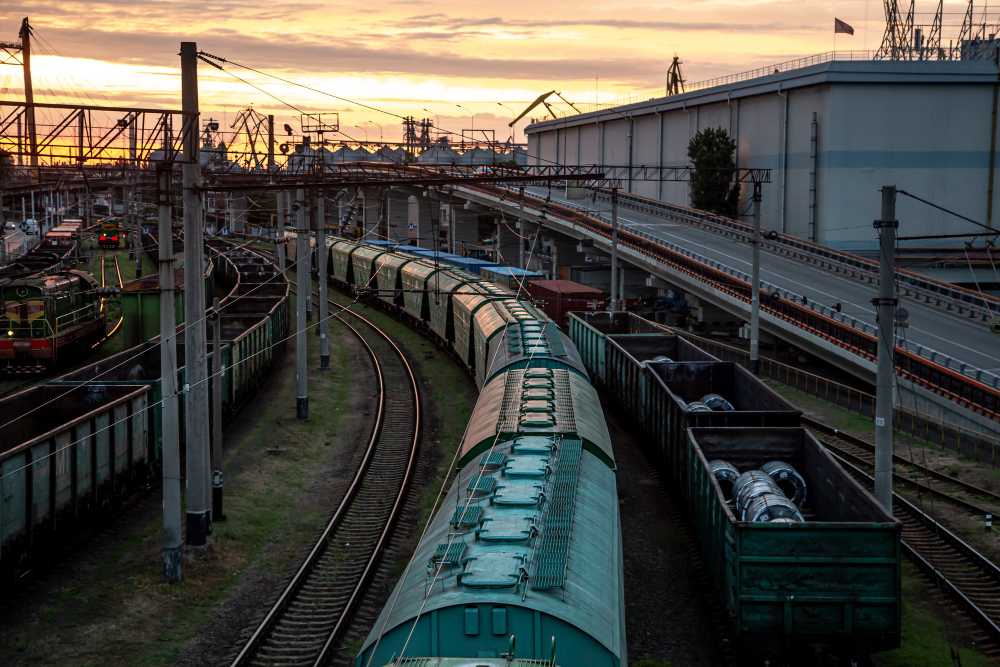
Rail infrastructure projects are among the most ambitious and complex undertakings in modern construction. From urban metro expansions to regional freight networks, these megaprojects demand exceptional oversight and an unwavering commitment to safety.
The stakes are exceptionally high; successful delivery transforms economic productivity, while missed timelines can compromise public confidence.
This blog by Kubri project management and consulting explores the unique landscape of rail infrastructure project management, analyzing the drivers of complexity and the practical controls KPMC uses to support predictable, on-budget outcomes.
Rail Infrastructure Project Management & Delivery
Why Rail Infrastructure Delivery is a Distinct Challenge
Rail infrastructure is fundamentally different from regular road infrastructure due to its route-driven and operationally constrained nature. The linear nature of rail creates fixed alignments and limited alternative routings. Unlike road projects, where detours might be flexible, rail projects must maintain continuity, increasing cost and schedule exposure if risks are not addressed early in the lifecycle.
A research paper titled ‘Why Cost-Benefit Analysis Is Broken and How to Fix It’ reveals that rail projects finished on average 40% over budget, substantially higher than the 24% average for road projects. This variance reinforces the need for disciplined rail infrastructure project management. It is not enough to simply manage construction; teams must manage the environment, the regulatory landscape, and the operational integration simultaneously.
Drivers of Complexity and Cost in Rail Infrastructure
To deliver train line projects successfully, project managers must navigate a web of constraints that set this sector apart.
- Budget Pressures and Cost Variability
Route alignment changes, utility relocations, and unexpected ground conditions are primary drivers of budget risk. Without robust financial planning from the onset, these factors compound.
- Geographical and Environmental Constraints
Rail corridors cross varied terrain and sensitive ecosystems. Rail engineering in Australia often involves navigating flood plains, protected vegetation, and complex geology.
- Live Operational Corridors
Working within a live environment drastically restricts access. Work packs must be designed around narrow scheduled shutdowns. Poorly sequenced work leads to delays and higher disruption costs.
- Unpredictable Disruptions
Weather delays and labor shortages can compress construction windows. Because rail schedules are often integrated with public timetables, a delay in one area can cause immediate operational issues elsewhere.
- Stakeholder Complexity
Delivering rail requires coordination with regulators, operators, local government, and communities. Effective stakeholder management demands a structured engagement strategy to mitigate disputes before they arise.
Strategic Controls for On-Time Delivery in Rail Infrastructure
Successful delivery requires a multifaceted approach combining strategic planning, technological innovation, and exceptional team management. The following practices are essential for reducing uncertainty.
-
Comprehensive Risk Management
Effective project management anticipates problems rather than merely reacting to them. This involves building a risk register from inception, assigning ownership, and reviewing it regularly.
For a deeper dive into how we handle these uncertainties, read our article on Proactive Risk Management for Construction Projects.
-
Digital Engineering and 4D Visualisation
Modern railway construction relies heavily on Building Information Modelling (BIM). By creating intelligent 3D models, teams can perform clash detection early in the planning phase. Taking it a step further, 4D visualisation enables managers to validate sequence logic against possession windows, ensuring the proposed schedule is physically feasible within the allotted time.
-
Real-Time Field Reporting
Projects utilizing real-time data collection are significantly more likely to stay on track. Mobile field reporting provides project managers with immediate snapshots of site progress, enabling swift decision-making before small issues escalate into costly delays.
-
Detailed Scope and Staged Packaging
Defining scope with precision is critical. Breaking delivery into staged work packages that align with possession windows reduces rework and clarifies contract obligations. This approach simplifies cost control and helps prevent scope creep.
-
Specialized Team Capability
Rail infrastructure project management demands teams with niche skills: engineers familiar with corridor works, schedulers who can model constrained sequences, and commercial managers who understand rail-specific contracts. Institutional knowledge gained from prior projects shortens learning cycles and improves decision speed.
Delivering Excellence: KPMC’s Portfolio in Rail Infrastructure
Kubri Project Management & Consulting integrates expertise from over 20 years of combined civil construction experience. Our approach ensures seamless coordination across all project phases.
Here is how we have applied these controls across major Australian and international projects:
South Dynon Projects Stage 1 & 2
KPMC has been involved in the South Dynon Projects since 2022, providing critical support for interface management between Stage 1 works and the West Gate Tunnel Project.
Stage 1 Services:
- Interface Management: Critical support for works in the vicinity of the West Gate Tunnel.
- Infrastructure Delivery: Managed the delivery of a new 11 kV power feed and a new optical fibre feed for the Train Maintenance Facility (TMF).
- Quality Assurance: Assisted the Quality Manager and Engineering Team in tracking and reviewing all quality documentation project-wide.
- Resource Mobilization: Deployed Civil and Electrical Senior Project Engineers to assist with specific scope delivery during peak activity.
Stage 2 Services:
- Program Management: Delivery of External Hydraulic Services and Quality Management.
- Planning Support: Expanded role to include planning support and delivery assistance for hydraulics, external services, and broader civil scope.
Western Programme Alliance (WPA)
As a partner in the Western Programme Alliance, KPMC provided project management advisory services for the Level Crossing Removal Program.
Services provided by KPMC:
- Feasibility Studies: Development of studies for upcoming projects.
- Commercial Review: Development and review of pricing options.
- Constructability: Detailed review of proposed designs.
- Design Coordination: Coordinating design development and feeding information as needed.
The Riyadh Metro Project
Riyadh Metro is a groundbreaking transit network designed to transform public transportation in Saudi Arabia’s capital city.
Key features of the project:
- Six Main Lines: Covering 176 kilometers, the metro links major residential and commercial areas.
- 85 State-of-the-Art Stations: Designed for high capacity and commuter convenience.
- Comprehensive Coverage: Strategically connects highly populated districts to reduce congestion and support Riyadh’s vision for a modern, sustainable city.
Sydney Metro Southwest
KPMC provided project management advisory services during the EOI and ECI phases for the Sydney Metro Southwest Vehicle Mitigation works, developing methodologies to reduce cost and time.
Project benefits:
- Enhanced Safety: For commuters and the surrounding community.
- Risk Reduction: Mitigated risks of accidents and intentional vehicle threats near metro infrastructure.
- Compliance: Met modern safety and security standards for public transport.
- Seamless Integration: Mitigation treatments were integrated into urban design to minimize impact on public spaces.
Msheireb Metro Station in Doha
The Msheireb Metro Station is Doha’s largest underground transit hub, connecting three metro lines to streamline travel across the city. KPMC contributed to the success of this architecturally significant hub.
Key features:
- Three-Line Connectivity: Serves as a central interchange for the Red, Green, and Gold lines.
- Distinctive Entrance Design: An architecturally striking entrance serves as a visual landmark.
- Enhanced Wayfinding: Clear visual connections between the entrance and concourse ensure smooth navigation for commuters.
Securing the Future of Rail Infrastructure with KPMC
Rail projects require more than just technical engineering; they require a disciplined management framework that aligns commercial controls, planning, and delivery. By utilizing accurate scope definition, proactive risk registers, and digital engineering, KPMC helps clients overcome the inherent risks of the rail sector.
Whether navigating the geological challenges of a new metro line or managing the interface risks of a brownfield upgrade, our experience ensures predictable outcomes.